Why Independent Businesses Matter Across Manchester and Greater Manchester |
From neighbourhood high streets to town centres, the local businesses that give places their character need more than passing praise |
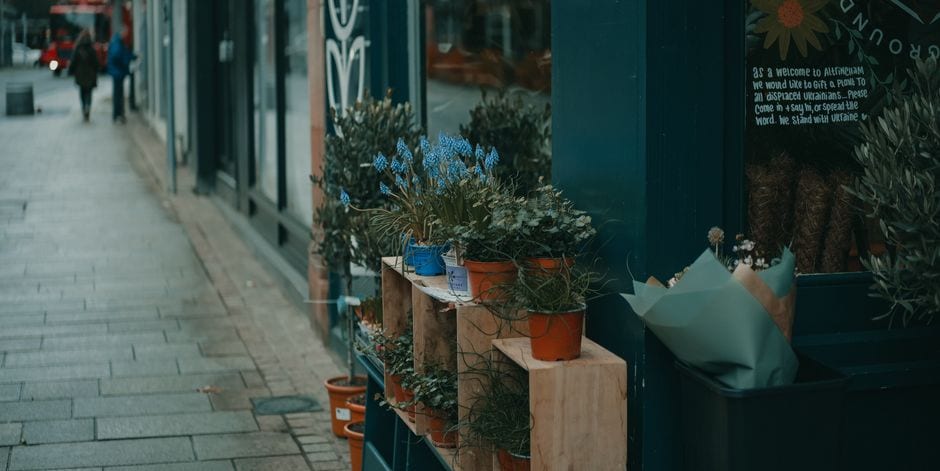
A place is often best understood not through its biggest buildings, but through the everyday businesses that give its streets a pulse: the bakery opening before dawn, the repair shop keeping useful things in service, the bookshop that knows its regulars, or the café that becomes an unofficial meeting place.
Across Manchester and Greater Manchester, independent businesses help make neighbourhoods feel distinct. They appear on busy city streets, in suburban parades, in market towns and in local centres far from the familiar visitor routes. Their value is not simply that they offer an alternative to national chains. It is that they respond to the places and people around them.
That local character is worth noticing — and supporting in practical ways.
Local business is bigger than the city centre
Manchester’s independent scene is often associated with the Northern Quarter, Ancoats and other central neighbourhoods. Those areas deserve their reputation, but they are only part of the picture.
Local business life also runs through places such as Chorlton, Withington, Gorton, Moston and Wythenshawe, where high streets and district centres serve the routines of everyday life. Beyond the city boundary, the wider region has its own network of town centres, neighbourhood parades, markets, workshops and specialist shops — from Salford and Stockport to Bolton, Oldham, Rochdale, Bury, Tameside, Trafford and Wigan.
These places are not interchangeable. A business rooted in a market town may serve a different rhythm of life from a studio tucked into a city-centre building or a family-run shop beside a busy bus route. That variety is part of what makes Greater Manchester interesting.
Manchester City Council has described district centres and local high streets as important places where residents work, shop, meet and socialise, and has highlighted investment in areas including Moston, Gorton, Withington and Wythenshawe. The wider Greater Manchester Combined Authority has also developed its Our High Streets campaign around helping communities revitalise the places where they live, shop and spend time.
The message is straightforward: the future of local business is not just a city-centre conversation.
What an independent business adds
Independence does not automatically make a business better, more ethical or more welcoming. Nor does every small business succeed simply because local people want it to. But independent firms can offer something valuable: decisions made close to the customers and communities they serve.
A specialist shop can stock products chosen for its own customers rather than a national range. A local maker can build a business around a particular craft or point of view. A café, barber, repairer or family-run service can develop relationships over time, learning what people nearby actually need.
These businesses also contribute to the feel of a street. A row of active shopfronts gives people reasons to walk, browse and return. A workshop, gallery or food business can bring a different kind of activity to a building that might otherwise sit empty. A well-used local centre can become part of people’s weekly routines rather than somewhere they pass through on the way elsewhere.
The effect is often cumulative rather than dramatic. One business rarely transforms a neighbourhood on its own. A mix of shops, services, community spaces and places to eat or meet can, together, help a centre feel useful and lived in.
A few examples from across the region
To make this more tangible, consider the variety of businesses and traders found across Manchester and Greater Manchester. These are examples to help illustrate the range, not a ranking or endorsement, and they are only a small snapshot of a much bigger local picture.
Manchester city centre: Deadstock General Store brings together thoughtfully chosen homewares and gifts. Chorlton: Unicorn Grocery is a worker-owned wholefood co-operative. Withington: Biskits is a neighbourhood café and diner on Wilmslow Road. Gorton: Gorton Market gives local traders a place to sell food, goods and services. Moston: Swift Trimz is a local barber shop on Moston Lane. Wythenshawe: The Mess Cafe is a weekday café and social enterprise offering brunch, lunch and opportunities for people facing barriers to employment. Nearby, in Northenden, Boxx2Boxx Coffee is another neighbourhood café. The picture continues beyond Manchester itself. Salford: Hideaway Brewing Co is a small brewery and taproom. Stockport: Rare Mags specialises in independent magazines and hard-to-find titles. Bolton: Carrs Pasties is a long-established family bakery. Oldham: Comic Den serves comic-book fans and collectors. Rochdale: The Old Post Office Ale House is a family-run micropub in Castleton. Bury: Wax and Beans combines an independent record shop with a café. Tameside: Threeways D.I.Y in Denton is an independent hardware and home-improvement shop. Trafford: IDAHO has independent shops in Altrincham and Sale. Wigan: Muffin Man is a family bakery with shops around the borough.
Each example is different: a co-operative, a specialist retailer, a café, a market, a bakery, a pub or a practical local service. Together, they show why “independent business” is not one single category. These names are starting points for readers to explore, not a claim that these businesses represent every neighbourhood or that their details will never change. Check current websites and opening information before visiting.
The challenges behind the shopfront
It is easy to celebrate independent businesses while overlooking the pressures of keeping one open. Owners may be balancing rent, energy bills, supplies, wages, insurance, tax, repairs and the time-consuming work of managing stock, marketing and customer service. A quiet trading week or an unexpected bill can have a much greater effect on a small operation than on a large chain.
Online shopping and changing habits also mean that being visible locally is not enough. Businesses need to be discoverable online, communicate clearly, keep customers coming back and find ways to stand out without losing what makes them distinctive.
High streets face wider challenges too: transport links, the condition of public spaces, empty premises, accessibility and whether people have good reasons to visit. These are not problems individual traders can solve alone. Councils, landlords, business networks, residents and traders all influence whether local centres can thrive.
That is why high-street regeneration matters, but investment should be judged by what it changes for the people using a place. Better pavements, welcoming public spaces and useful events can help; so can affordable premises, reliable transport and listening to existing businesses before decisions are made.
How to support local businesses without spending a fortune Supporting independent businesses does not have to mean making every purchase locally or spending more than your budget allows. Small, repeatable actions can make a difference to how easily people discover a business and decide to visit.
Explore one street beyond your usual route. Look beyond the best-known shopping districts. Try a local centre near home, a market, a specialist shop or a small business in a neighbouring town. You may find something useful without planning a full day out.
Buy directly when it suits you. If a business sells through its own website or premises, buying directly can help you build a relationship with the people running it. Compare prices fairly and choose what works for you.
Recommend places you genuinely rate. Tell a friend, share a business’s post or leave an honest review. Specific details — what you bought, what was useful or what made the service memorable — are more helpful than a vague five-star rating.
Use local services as well as shops. Independent businesses include repairers, tutors, tradespeople, studios, bookkeepers, designers and many other services that may not have a prominent shopfront. Finding and recommending a reliable local service can be just as valuable as discovering a new retailer.
Make room for different neighbourhoods. Do not assume the most visible places represent the whole region. Share discoveries from across Greater Manchester, including businesses in town centres and residential areas that receive less attention in city-focused coverage.
Support should be practical, not performative. Nobody can buy everything locally, and businesses do not need to be treated as charities. The aim is to notice what is available, make informed choices and help good businesses reach the people who may value them.
A more local way to see Greater Manchester Independent businesses offer one way to understand a place beyond its landmarks and headlines. They show what people make, repair, collect, cook, design and care about — and how those interests differ from one community to the next.
For ManchesterRising, that means looking beyond a shortlist of central addresses. The city centre is an important part of the story, but so are local parades, market towns, industrial units turned into studios, family-run services and small firms serving communities across the region.
We want to keep discovering those places and the people behind them. If there is an independent business in Manchester or Greater Manchester that deserves more attention, tell us about it. We cannot promise to feature every suggestion, but local recommendations can help point us towards the stories worth exploring next.
Because the businesses that shape a place are not always the loudest or the most famous. Sometimes they are the ones quietly making a street, a town centre or a community more useful, distinctive and welcoming — one working day at a time. |


0 Comments
Join the conversation
Be the first to comment
Share your thoughts above.